

Architecting modern university, research and incubator web portals
Academic departments, research centres and technology business incubators serve prospective students, faculty, startups and accreditation bodies at once. Here is how to structure portals that stay fast and maintainable.
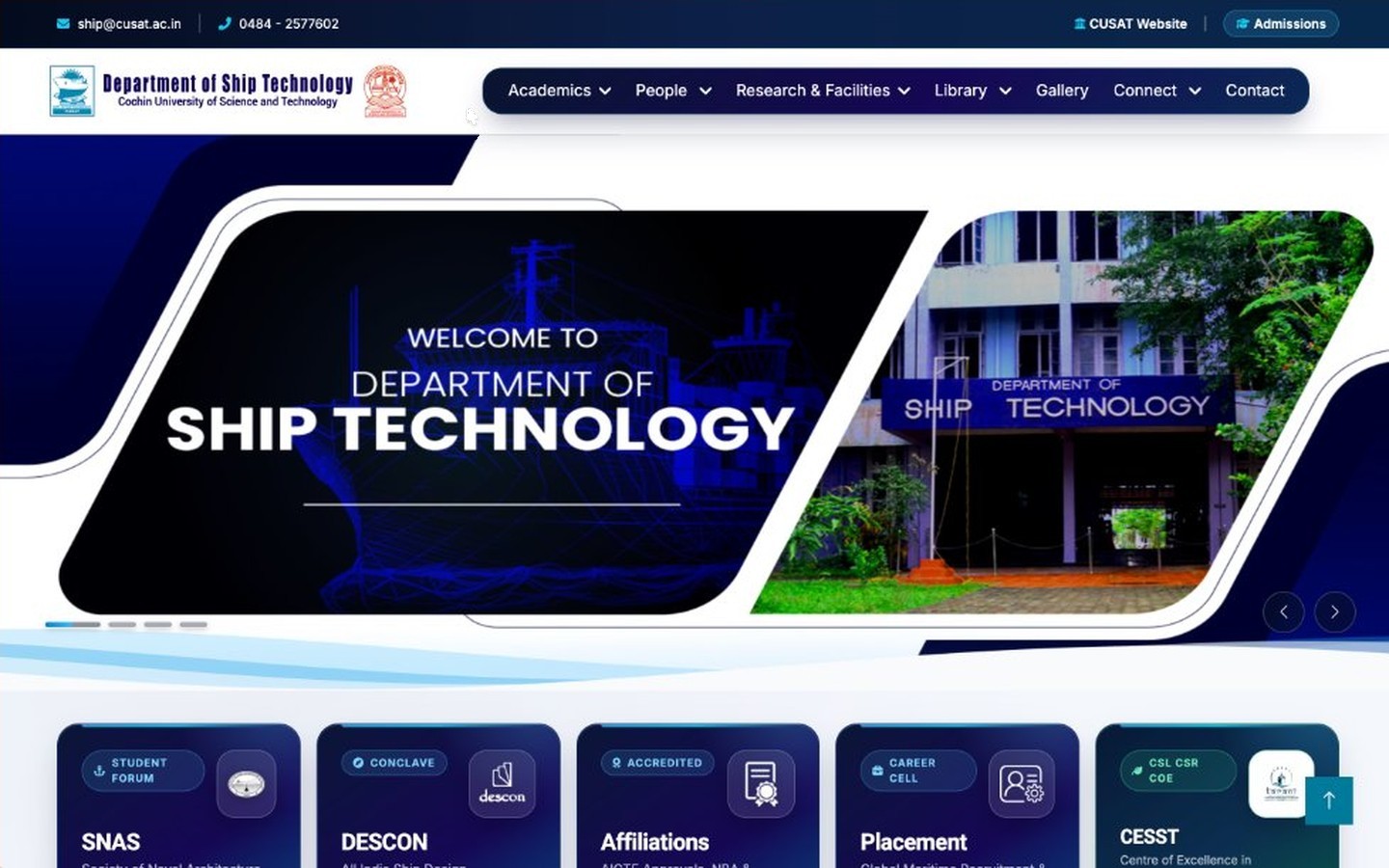
A university department or technology incubator website carries far more operational responsibility than a typical brochure site. On the same afternoon, it may serve an prospective applicant checking programme eligibility, an industry partner reviewing lab facilities, a startup founder applying for seed grants, and an accreditation panel verifying statutory records.
When content grows organically over years without a structured information architecture, vital notices get buried in unindexed PDFs and page layouts fracture across devices.
Replace ad-hoc page edits with structured collections
In academic and institutional settings, administrative coordinators change periodically. If updating a faculty publication list or adding a newly incubated startup requires editing raw HTML layouts, pages quickly become inconsistent.
Modelling faculty directories, research labs, announcements, events, and incubated cohorts as structured CMS records ensures every entry renders cleanly, remains searchable, and follows institutional branding automatically.
Keep accreditation and statutory archives organised and crawlable
NBA, NAAC, AICTE, and Section 8 or incubator funding disclosures require clear document organisation, legible titles, and dependable URLs.
Pairing accessible HTML summaries with well-labelled downloadable documents improves both search discoverability and usability on mobile connections.
Engineer for performance, security and long-term maintainability
Admission results and major campus events create sudden traffic spikes. Static-first or cached page rendering, optimised imagery, strict role-based admin permissions, and automated backups keep institutional portals resilient year-round.
Frequently asked questions
01Can department coordinators update notices and faculty profiles without coding?
Yes. Structured administrative forms allow authorised staff to publish announcements, upload syllabi, and update directories safely while preserving layout consistency.
02How should multi-department or incubator ecosystems share branding?
A shared design token and typography foundation paired with department-specific navigation and directories keeps institutional identity cohesive while respecting each unit’s distinct programmes.
Written by
Infinio Editorial Team · Infinio Technology Solutions
Practical perspectives from Infinio’s AI transformation, corporate training, software engineering, and digital marketing teams.
Software Engineering & Integrations
Planning a university, research department, or incubator web portal? Speak with Infinio’s engineering team.
Share your workflow and existing tools with our engineering team to define a clear, reliable first release.
Continue Reading
Related insights from Infinio
Planning reliable integrations between your website, CRM and internal operations
Connecting forms, payment gateways, CRMs and operational dashboards saves hours of manual re-entry—provided data ownership, retries and failure alerts are designed upfront.
What to include in a useful custom software brief
A clear software brief describes the people, workflow and constraints behind the feature list. Here is a practical way to organise it.

Infinio opens new office and studio space at CIASL Business Centre, CIAL Aero Park
Operating alongside our headquarters, our office at CIASL Business Centre inside CIAL Aero Park brings software engineering, AI consulting, and corporate training together under one collaborative space.